Opening Hook
On a rainy evening, Sara pushed aside her coffee table, rolled up the rug, and turned her living room into a makeshift dance floor. She was preparing for a performance but kept bumping into furniture, slipping on tiles, and constantly adjusting the lighting. After weeks of frustration, she finally decided to create her own mini dance studio at home. What started as a small corner with a mirror and wooden floor soon transformed into the most inspiring part of her house.
Her story isn’t unique. More and more dancers—whether beginners, hobbyists, or professionals—are realizing the value of having a dedicated practice space. The concept of a mini dance studio has become a trend, not just for convenience, but also for motivation, creativity, and progress.
Why a Mini Dance Studio Matters
The importance of a mini dance studio boils down to one word: consistency. Dancers need regular practice to refine their moves, build stamina, and boost confidence. Having a dedicated space removes excuses.
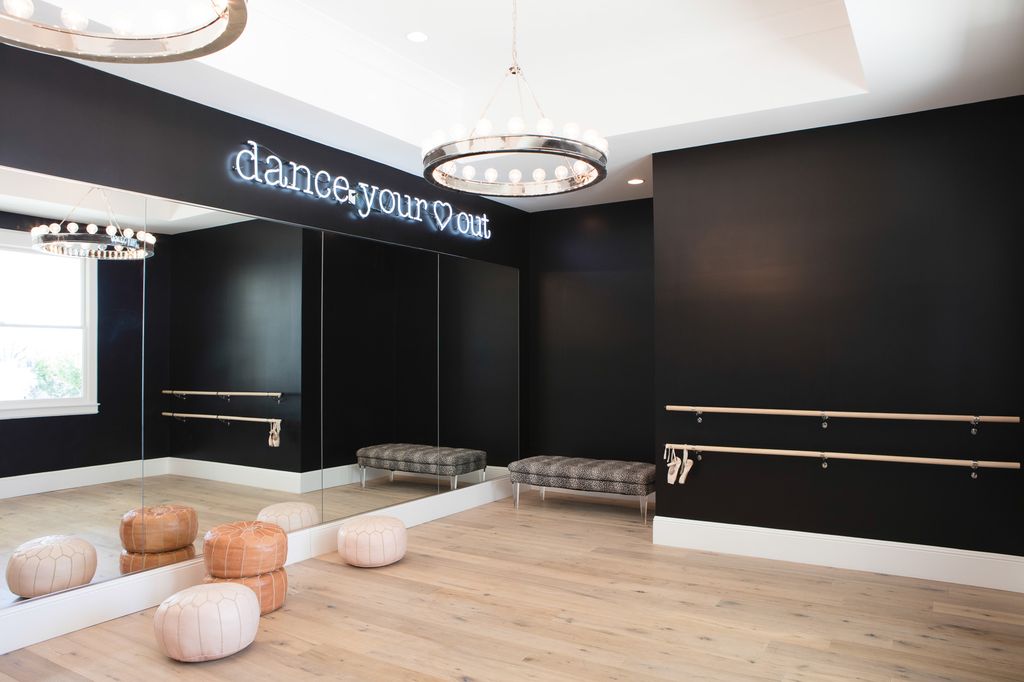
For instance, instead of waiting for a rented studio to be available or struggling with limited hours, dancers with a home setup can practice anytime inspiration strikes. Furthermore, having a personal space makes it easier to focus without distractions, which is often the difference between good performances and great ones.
Read More: Using Recessed Lighting for Modern Basement Interiors
Choosing the Right Space
One of the first challenges is deciding where to set up the studio. Not everyone has a spare room, but that doesn’t mean the dream is out of reach.
- Small Bedrooms: Perfect for solo practice if rearranged smartly.
- Basements or Attics: Offer privacy and sound control.
- Living Rooms or Garages: Work well if you’re creative with flexible furniture or portable equipment.
Take Sara’s example again: she didn’t have a large house, but by dedicating one corner of her living room with foldable mirrors and a portable dance floor, she created her studio without compromising family space.
In contrast, some dancers choose unused basements, transforming them into vibrant spaces with colorful lighting and full-length mirrors.
Read More: Legalities of Renovating an Existing Basement
Flooring: The Foundation of Movement
Ask any dancer, and they’ll tell you—flooring can make or break practice sessions. Dancing on tile or cement is risky, as it puts stress on joints and increases the chance of injury.
For a mini dance studio, the best options are:
- Sprung Floors: Designed to absorb impact, protecting knees and ankles.
- Marley Vinyl Flooring: Popular for ballet, contemporary, and jazz due to its slip resistance.
- Wooden Floors: Great for versatility, especially for hip-hop or ballroom styles.
Furthermore, portable dance mats are now widely available, making it possible to roll out professional-quality flooring even in small apartments.
Read More: When to Call a Mold Remediation Expert
Mirrors: Seeing Progress in Real Time
Every dancer knows the importance of self-correction. Mirrors allow dancers to observe their posture, alignment, and expressions, which is essential for growth.
Full-length mirrors are ideal, but if space or budget is a concern, mirrored panels or even stick-on mirror tiles can do the trick. For instance, one dancer shared how she lined up five inexpensive wall mirrors from a home store to mimic a professional studio wall—at a fraction of the cost.
Read More: Tattoo or Art Studio Basement Conversion A Creative Haven Beneath Your Home
Lighting and Ambience
Lighting may seem like a minor detail, but it has a powerful effect on mood and performance. Bright, natural light is excellent for daytime practice, while adjustable LED lights can create a stage-like atmosphere for rehearsals.
Furthermore, proper lighting reduces strain on the eyes and helps dancers feel more energetic. A dancer practicing in a dimly lit basement, for example, might find motivation slipping—while adding soft white lights and colorful accents could transform the vibe completely.
Read More: Choosing Basement-Friendly Aromatherapy Solutions
Sound System: Music at Your Fingertips
What’s a dance studio without music? Whether it’s classical ballet or high-energy hip-hop, sound quality shapes practice.
- Bluetooth Speakers: Perfect for smaller rooms.
- Wall-Mounted Systems: Provide more balanced sound for larger spaces.
- Headphones: Useful when practicing late at night without disturbing others.
For instance, Sara invested in a simple portable speaker, and suddenly her practice sessions felt more like rehearsals than casual attempts. The clarity of beats helped her synchronize movements with precision.
Read More: Art Display Ideas in Basement Halls
Storage and Organization
Clutter kills creativity. That’s why smart storage is crucial. Simple solutions like wall hooks for resistance bands, a small rack for costumes, or baskets for props can keep the space functional.
Furthermore, having everything organized avoids wasted time looking for shoes, stretching tools, or water bottles. A tidy studio feels inviting and encourages regular practice.
Read More: Basement Office Ideas – 11 Stylish Work From Home Spaces
Technology in Modern Mini Studios
Today’s mini dance studios aren’t just about mirrors and floors—they’re becoming tech-savvy practice hubs.
- Recording Devices: Dancers often set up tripods with phones or cameras to record practice sessions for self-review.
- Virtual Classes: With laptops or tablets, dancers can join online lessons from their own studios.
- Smart Lighting & Speakers: Syncing music with light changes makes practice feel like a stage performance.
As a result, dancers feel connected to the broader community, even while practicing alone at home.
Read More: Required Documents for Getting Basement Approval
Budget-Friendly Hacks
Many people assume a dance studio requires a big investment. But with creativity, anyone can build one without breaking the bank.
- Instead of professional mirrors, use mirrored closet doors.
- For flooring, consider interlocking foam mats with a wooden finish.
- Use a yoga mat corner for stretching and warm-ups.
- Repurpose old bookshelves into prop storage.
For instance, one teenager transformed her bedroom corner with just $200—adding foam mats, stick-on mirrors, and LED strip lights. The result? A space that kept her practicing every day.
Read More: Flooding Response Plan for UAE Homeowners
Emotional Benefits of a Mini Dance Studio
Beyond technique and fitness, having a personal studio fosters a deeper emotional connection to dance. It becomes a sanctuary where stress melts away, creativity flows, and self-expression thrives.
Furthermore, this space often becomes a personal stage where dancers rehearse not only movements but also confidence. Parents often report their children becoming more focused and disciplined after having a home practice area.
Read More: Basement Salon Setup for Freelancers
Closing: Creating Your Own Stage
When Sara looks back now, she laughs at how she once tried to pirouette around her couch. Her mini dance studio has not only improved her skills but also given her a daily dose of joy and inspiration.
The truth is, a mini dance studio isn’t just about walls, mirrors, and floors—it’s about carving out a space for passion. Whether it’s a corner of your living room or a fully converted basement, what matters is the dedication it represents.
So, ask yourself: What would happen if you had a space that invited you to dance every single day?
Because sometimes, the biggest stages are not in theaters—they’re in the little spaces we create for ourselves at home.
🏗️ Basement Project Calculator
Latest Post
-

How to Build a Legal Basement Apartment in the USA | Guide
Opening Hook Imagine this: you’re standing in the nearly-finished basement of your home in the USA, and the monthly rent from the future tenant—or perhaps your aging parents moving in with you—is just about enough to cover your mortgage. You’ve envisioned your own “in-law suite,” financial freedom, or added flexibility. But then, you pause and…
-
Basement Bar Remodeling Ideas Wet vs. Dry Bar Designs
Opening Hook Imagine this: it’s a Friday night in suburban America, family and friends gather in the lower level of your home. The music’s just right, laughter echoes off the walls—and there, tucked into a stylish corner of the finished basement, stands your custom bar. The warm glow of undercounter lighting, the soft tap of…
-

20 Best Basement Man Cave Ideas for the Ultimate Space
Imagine this: you come home after a long week in your busy USA-based life, head downstairs, flip on the lights in the basement, and step into your very own retreat — a space built just for you. That’s the magic of basement man cave ideas, a growing trend for homeowners who want a unique sanctuary…
 Arabic
  English
Your blog is a beacon of light in the often murky waters of online content. Your thoughtful analysis and insightful commentary never fail to leave a lasting impression. Keep up the amazing work!