The Opening Hook
On a quiet street in Dubai Marina, a young artist once turned her dark, unused basement into a thriving tattoo studio. What began as a simple idea—“Why not work from home?”—transformed into a vibrant, welcoming space where creativity flourished, clients felt inspired, and a once-forgotten corner of her home became her greatest asset. It’s a story that resonates with many: basements, often overlooked, hold untapped potential to become places of expression, productivity, and even livelihood.
So, what does it really take to turn your basement into a tattoo or art studio? Let’s dive deep into the journey of transformation.
Understanding the Potential of Basement Studios
The first step is recognizing that basements are uniquely suited for creative pursuits. Unlike other rooms, basements are naturally separated from household distractions. For a tattoo artist, this means focus and privacy; for a painter or sculptor, it means freedom to experiment without worrying about mess or noise.
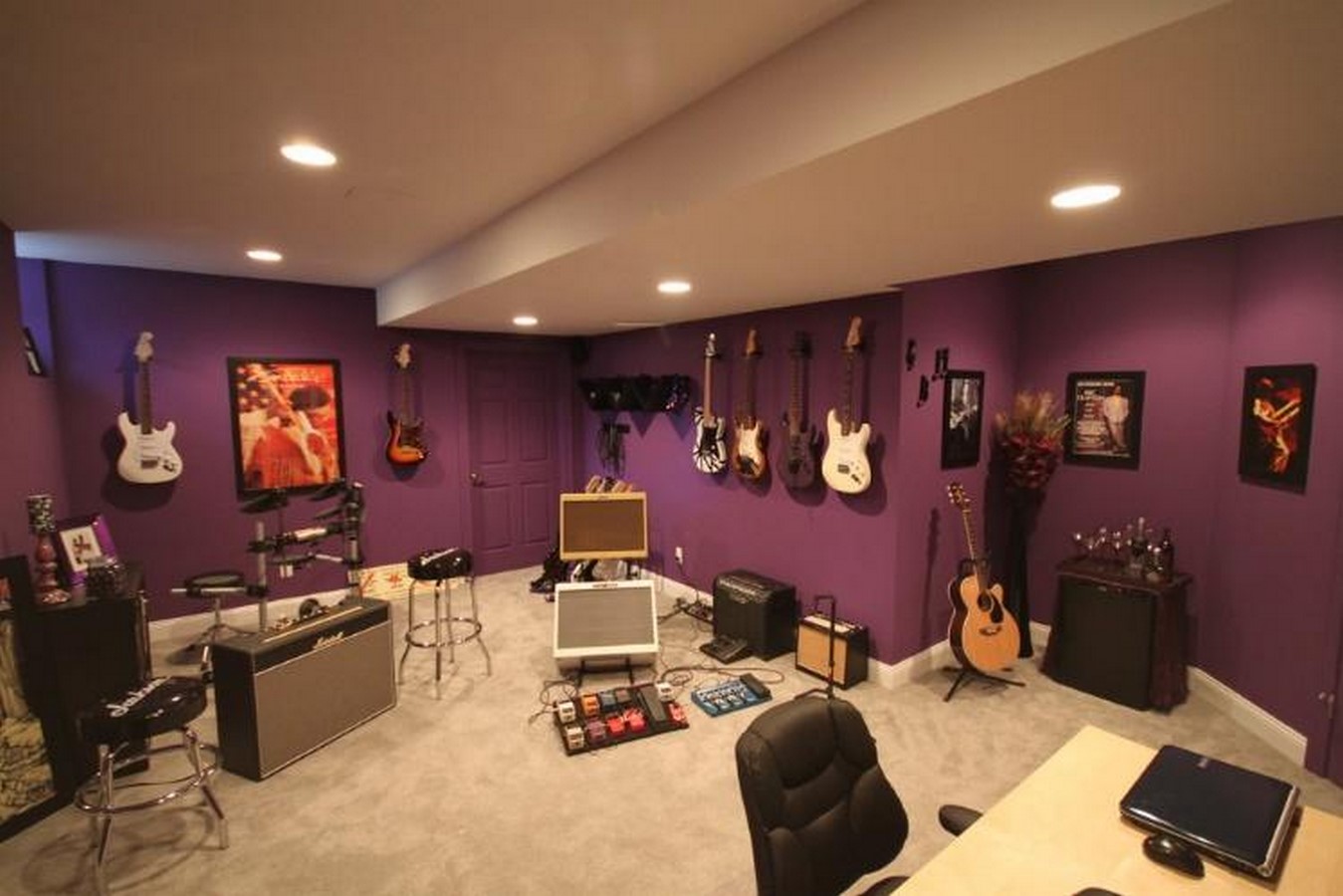
Furthermore, basements often have ample square footage, allowing for customizable layouts. Imagine dividing one half of the space into a neat, sterilized tattoo station while the other becomes a gallery wall showcasing finished artwork. The dual functionality makes it practical and inspiring.
Read More: Art Display Ideas in Basement Halls
The Importance of Lighting
Lighting is perhaps the most critical factor in a creative studio. Basements are notorious for being dim, which can be a challenge when precision is key—especially for tattoo work, where even the smallest detail matters.
For instance, one Dubai-based tattoo artist, Ali, shared that his first basement setup relied heavily on a single overhead bulb, making shading nearly impossible. Once he invested in daylight LED panels and adjustable task lamps, his work improved significantly, and clients felt more comfortable in the bright, welcoming environment.
In contrast, visual artists might embrace the moody aesthetic of soft accent lights for certain styles. However, every successful studio blends functional lighting with ambiance: clear visibility for creation, and warm tones for atmosphere.
Read More: Required Documents for Getting Basement Approval
Ventilation and Air Quality
A crucial but often overlooked element is ventilation. Basements tend to trap odors, moisture, and even harmful fumes from paints, inks, or cleaning solutions. Without proper airflow, the studio may feel stuffy, unsafe, or unprofessional.
For tattoo studios, hygiene standards are non-negotiable. Installing an air purifier, using a dehumidifier, and ensuring good cross-ventilation will not only protect your health but also reassure clients. Similarly, painters working with oils or spray paints benefit from an exhaust system or window fan to prevent the buildup of fumes.
As a result, good ventilation transforms the basement from a cave-like room into a safe, breathable workspace.
Read More: Flooding Response Plan for UAE Homeowners
Designing the Space with Clients in Mind
While an art studio can be private, a tattoo studio often welcomes visitors. This means the basement must feel professional and comfortable. The design should balance artistry with functionality:
- Reception Corner: A small seating area with art on display sets the tone.
- Sterilization Zone: For tattooing, dedicated sinks, disinfected workstations, and sealed equipment storage are essential.
- Work Area: Spacious enough for movement and lighting control.
- Display Walls: Clients love to see portfolios, sketches, or sample work framed on the walls.
For instance, Sarah, an illustrator in Jumeirah Beach Residence, transformed her basement into both a creative workspace and a mini gallery. Visitors now come not only for commissions but also to browse her displayed canvases, creating an experience that feels more like an art show than a home visit.
Read More: Basement Salon Setup for Freelancers
Meeting Legal and Health Regulations
In contrast to a private art studio, a tattoo studio has stricter legal requirements. Depending on the region, health authorities may require:
- Licensing for tattoo practices.
- Proof of sterilization procedures.
- Safe waste disposal systems.
- Inspections of cleanliness and ventilation.
Skipping these steps can result in fines or shutdowns, so doing thorough research before conversion is crucial. Even for art studios, securing insurance to cover valuable materials and liability can provide peace of mind.
Read More: Ventilation Strategies for Shared Apartment Basements
Soundproofing for Privacy and Focus
Basements are often praised for their natural sound barrier. However, soundproofing can take the experience to the next level. For a tattoo artist, it ensures that clients aren’t distracted by household noises upstairs. For painters or musicians working in hybrid creative studios, it allows freedom to play music, use tools, or even host workshops without disturbing the rest of the home.
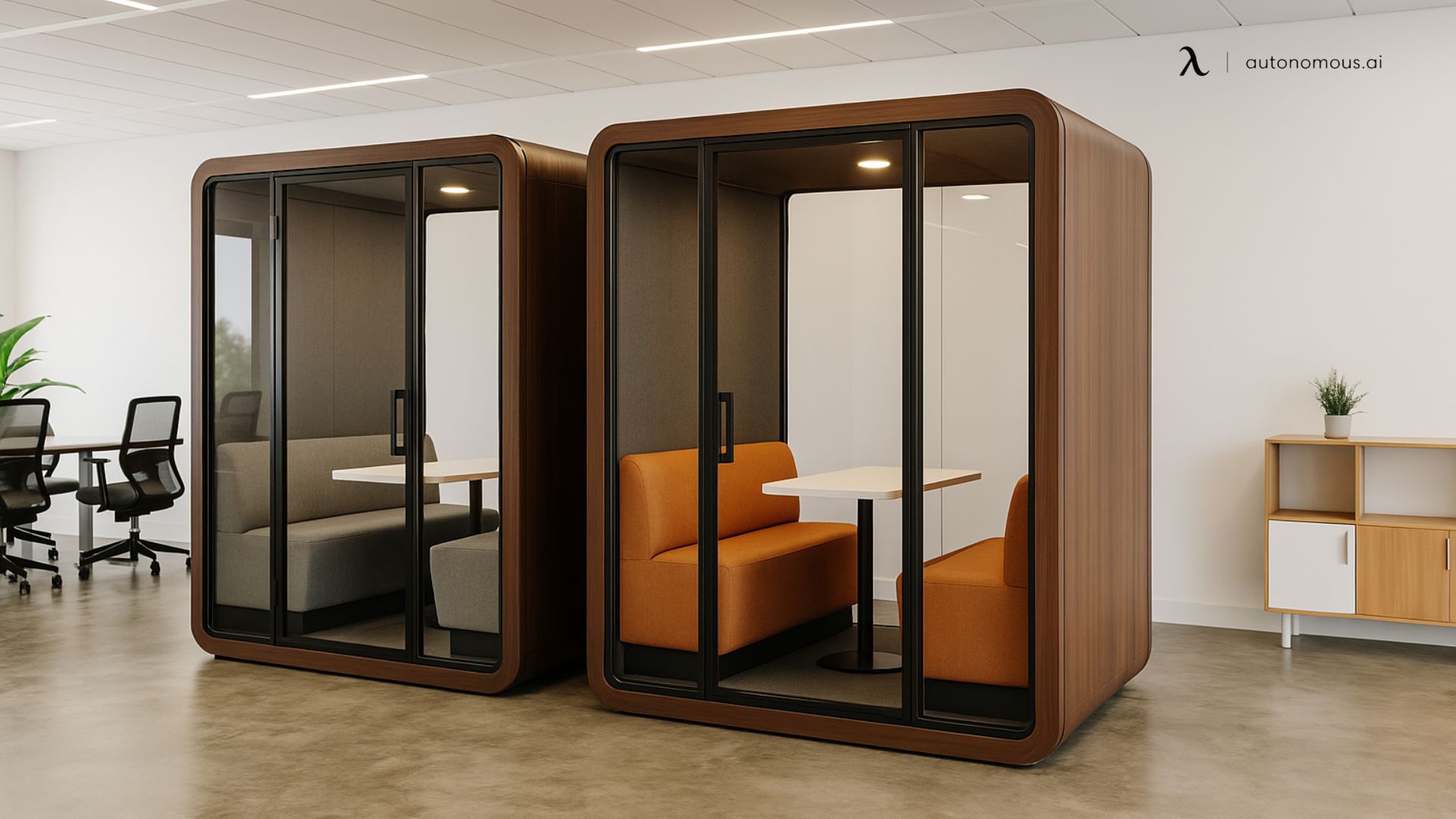
Furthermore, soundproofing materials—such as acoustic panels, rugs, and thick curtains—add to the cozy, professional vibe of the studio.
Read More: Top Instagram Basement Decor Trends (2025)
Storage and Organization
Creative spaces thrive on order. Nothing kills inspiration faster than searching for misplaced inks, brushes, or stencils. Smart shelving, labeled containers, and lockable cabinets are game changers.
For instance, one Dubai-based sculptor shared that after organizing his tools into rolling carts and modular shelves, his productivity nearly doubled. No more wasted minutes hunting for materials—everything was within reach, and the clear space made him feel calmer and more creative.
As a result, storage isn’t just practical—it’s part of the artistry of the space.
Read More: Basement Office Ideas – 11 Stylish Work From Home Spaces
Adding Personal Touches
Beyond functionality, a basement studio should reflect personality. A tattoo studio might feature bold murals, neon signage, or even framed tattoo flash sheets that showcase style. An art studio, meanwhile, could incorporate calming elements such as plants, textured rugs, or inspirational quotes pinned to a corkboard.
These touches create an inviting atmosphere, not just for clients but for the artists themselves. After all, creativity thrives in spaces that feel authentic and energizing.
Read More: Soil Testing Requirements Before Basement Digging
Balancing Professionalism and Comfort
It’s tempting to go fully commercial, but remember the advantage of a home studio: comfort. A balance between professionalism and homeliness creates an environment where clients feel welcome and artists feel at ease. Soft seating, subtle scents (avoiding anything overpowering), and a tidy layout contribute to this delicate balance.
In contrast, a basement that feels too sterile may lose its charm, while one that feels too casual might not inspire client confidence. Striking the right middle ground is key.
Read More: Safety Proofing Elderly Living Space in Basement
Costs and Return on Investment
Naturally, the question arises: is it worth the investment? Renovating a basement into a creative studio involves costs—lighting, ventilation, flooring, furnishings, and potentially licensing. However, the return can be substantial.
A tattoo artist can save on commercial rent while building a loyal client base. An art studio can double as a gallery or even an online business hub, reducing the need for external space. Beyond financial gains, the psychological return—having a dedicated, inspiring place to create—is priceless.
Read More: Can You Use Natural Ventilation in UAE Basements?
The Closing Reflection
At its heart, converting a basement into a tattoo or art studio is about more than renovation—it’s about transformation. It’s the story of turning forgotten square footage into a sanctuary of creativity, where passion meets professionalism.
Whether you’re sketching late into the night, inking intricate designs on a grateful client, or simply finding solace in a private creative retreat, your basement can become the foundation for dreams realized.
So, as you step into that dim, unused space under your home, ask yourself: what could this room become if given purpose? Perhaps, just like the artist in Dubai Marina, it could evolve into the heartbeat of your creative journey.
🏗️ Basement Project Calculator
Latest Post
-

How to Build a Legal Basement Apartment in the USA | Guide
Opening Hook Imagine this: you’re standing in the nearly-finished basement of your home in the USA, and the monthly rent from the future tenant—or perhaps your aging parents moving in with you—is just about enough to cover your mortgage. You’ve envisioned your own “in-law suite,” financial freedom, or added flexibility. But then, you pause and…
-
Basement Bar Remodeling Ideas Wet vs. Dry Bar Designs
Opening Hook Imagine this: it’s a Friday night in suburban America, family and friends gather in the lower level of your home. The music’s just right, laughter echoes off the walls—and there, tucked into a stylish corner of the finished basement, stands your custom bar. The warm glow of undercounter lighting, the soft tap of…
-

20 Best Basement Man Cave Ideas for the Ultimate Space
Imagine this: you come home after a long week in your busy USA-based life, head downstairs, flip on the lights in the basement, and step into your very own retreat — a space built just for you. That’s the magic of basement man cave ideas, a growing trend for homeowners who want a unique sanctuary…
 English
  Arabic
My brother suggested I might like this website He was totally right This post actually made my day You cannt imagine just how much time I had spent for this information Thanks
Thank You Dear