
Opening Hook
Imagine stepping into a basement not filled with dusty boxes and forgotten furniture, but into a tranquil retreat where the air feels lighter, the atmosphere calmer, and every corner invites stillness. Picture yourself sipping green tea while soft lighting glows against natural wood, and a gentle sense of peace washes over you. This isn’t a faraway spa in Kyoto—it could be your very own basement, reimagined through the lens of Japanese Zen design.
The Essence of Zen: More Than Minimalism
At its core, Japanese Zen design is not just about simplicity—it’s about balance, harmony, and the conscious use of space. Many homeowners assume “minimalism” means cold, empty rooms. In contrast, Zen-inspired spaces embrace warmth and purpose. Every object has meaning, and every material is chosen to encourage peace of mind.

For instance, think of tatami mats. In traditional Japanese homes, these mats are not just flooring; they set the stage for rituals of rest, meditation, and conversation. Incorporating such elements into a basement design can instantly shift its purpose from storage to sanctuary.
Read More: Homeowners’ Rights: When Municipality Rejects Your Plan
Natural Materials: Bringing the Outdoors In
One of the hallmarks of Zen interiors is the celebration of nature indoors. Basements, often disconnected from sunlight and greenery, can benefit greatly from this philosophy.
Consider using natural wood beams, bamboo wall accents, or stone tiles that mimic the outdoors. Even simple touches—like a pebbled corner with a bonsai tree—can make the space feel alive.
For example, Ayesha, a homeowner in Karachi, transformed her basement laundry space into a Zen-inspired reading nook by adding a stone wall feature and wooden shelves for plants. The effect was so calming that her family now prefers to spend evenings there rather than in the living room.
Read More: Air Quality + Humidity Sensors in One Device: A Modern Essential
Lighting: Soft, Subtle, and Soulful
Furthermore, lighting plays a critical role in setting a Zen tone. Harsh fluorescent bulbs often make basements feel clinical, but soft ambient lighting creates warmth and intimacy.
Paper lanterns, floor lamps with rice-paper shades, or hidden LED strips under wooden panels mimic the gentle glow of candlelight. In Japanese design, shadows are as important as light; the interplay creates depth and serenity.
For instance, a homeowner in Dubai installed low, warm wall lights in their Zen-style basement tea room. The result was a space where guests instinctively whispered, as if entering a sacred retreat.
Read More: Mini Dance Studio for Practice Sessions
Furniture: Low, Functional, and Thoughtful
In contrast to bulky Western furniture, Japanese Zen design favors low, multifunctional pieces that encourage grounding. Think of a simple floor-level table surrounded by cushions, or a futon that doubles as both seating and sleeping space.
As a result, the basement doesn’t feel crowded. Instead, it becomes a flexible environment—perfect for meditation in the morning, movie night in the evening, and quiet reading in between.
One inspiring example comes from Michael, an architect in Toronto, who redesigned his dark basement into a Zen lounge. He replaced a heavy sectional sofa with a modular low table and cushions. This not only made the room feel more spacious but also invited family gatherings that felt more connected and intentional.
Read More: Comparison: Fresh Air System vs Exhaust Fan
Color Palette: Calm Over Clutter
The Zen philosophy values a muted, earthy palette—soft whites, beige, taupe, and shades of grey accented with natural greens or browns. In a basement, these colors help soften the often harsh or dim environment.
For example, rather than painting all four walls white, consider a warm beige tone paired with a wooden slat feature wall. Add a splash of green through indoor plants, and suddenly the room feels less like a basement and more like a retreat.
Read More: Using Recessed Lighting for Modern Basement Interiors
The Role of Water and Sound
Japanese gardens often feature the sound of trickling water, symbolizing calmness and the flow of life. Recreating this in a basement is surprisingly doable.
A tabletop fountain, a small indoor pond with pebbles, or even a sound system playing gentle water sounds can add an immersive dimension. The soothing rhythm of water counteracts the silence or echoes typical of basements.
For instance, one family in Lahore installed a small bamboo water fountain in their basement meditation corner. It became the favorite spot for evening reflection after busy workdays.
Read More: Legalities of Renovating an Existing Basement
Decluttering: The Art of “Less but Meaningful”
In Zen-inspired basements, clutter is the enemy of peace. This doesn’t mean stripping everything away, but rather keeping only what serves a purpose or brings joy.
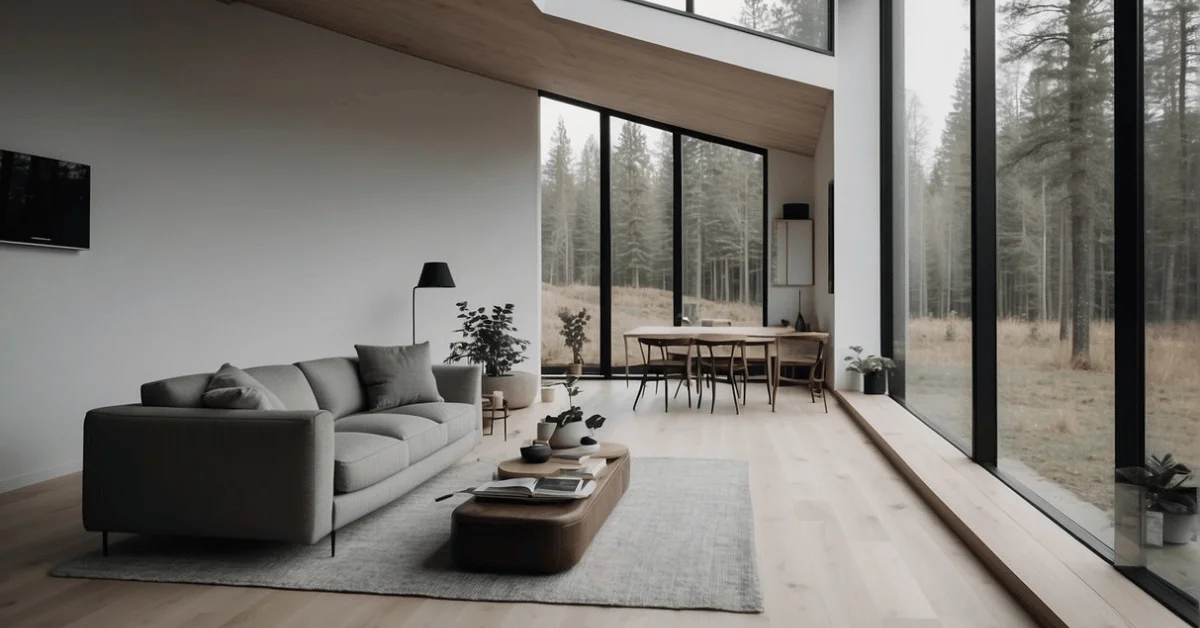
As a result, smart storage solutions become essential—built-in shelves, hidden cabinets, or under-bench storage allow the space to stay open and breathable.
Consider Mariam, who converted her cluttered basement into a serene yoga studio. She donated old furniture, built a storage wall behind sliding wooden panels, and kept the space almost empty. The transformation was so effective that even her friends commented on how “light” the basement felt.
Read More: Basement Office Ideas – 11 Stylish Work From Home Spaces
Blending Functionality with Zen
A basement doesn’t have to be only a meditation room. The beauty of Zen design lies in its adaptability. You can blend Zen principles with modern needs—like a home office, gym, or entertainment room.
For example, a homeowner in Islamabad created a Zen-inspired home office in their basement. The desk was made from reclaimed wood, the walls were painted in muted tones, and a single bonsai plant sat by the window. The result was a workspace that reduced stress and encouraged focus.
Read More: When to Call a Mold Remediation Expert
A Space for Mindfulness
Ultimately, a Japanese Zen basement is more than a design trend—it’s a mindset shift. Instead of thinking of your basement as “extra space,” it becomes a haven for mindfulness. Whether you meditate, read, work, or simply sit in silence, the environment nurtures calm.
Zen teaches that peace is found not in grandeur but in simplicity, balance, and connection with nature. A basement transformed with these values becomes more than just a part of your home—it becomes a part of your well-being.
Read More: Tattoo or Art Studio Basement Conversion A Creative Haven Beneath Your Home
Closing: Your Personal Sanctuary Awaits
So, what if instead of storing old boxes and unused furniture, your basement could store peace of mind? By drawing inspiration from Japanese Zen design—through natural materials, soft lighting, low furniture, muted palettes, and intentional decluttering—you can create a sanctuary that feels timeless.
Furthermore, such a transformation isn’t about copying a Japanese home; it’s about adapting timeless principles to your lifestyle. The result is a basement that doesn’t just look good but also makes you feel good.
In the end, your Zen basement becomes more than a design project—it becomes a daily reminder that calmness and beauty can be cultivated anywhere, even below ground level.
🏗️ Basement Project Calculator
Latest Post
-

How to Build a Legal Basement Apartment in the USA | Guide
Opening Hook Imagine this: you’re standing in the nearly-finished basement of your home in the USA, and the monthly rent from the future tenant—or perhaps your aging parents moving in with you—is just about enough to cover your mortgage. You’ve envisioned your own “in-law suite,” financial freedom, or added flexibility. But then, you pause and…
-

Basement Bar Remodeling Ideas Wet vs. Dry Bar Designs
Opening Hook Imagine this: it’s a Friday night in suburban America, family and friends gather in the lower level of your home. The music’s just right, laughter echoes off the walls—and there, tucked into a stylish corner of the finished basement, stands your custom bar. The warm glow of undercounter lighting, the soft tap of…
-

20 Best Basement Man Cave Ideas for the Ultimate Space
Imagine this: you come home after a long week in your busy USA-based life, head downstairs, flip on the lights in the basement, and step into your very own retreat — a space built just for you. That’s the magic of basement man cave ideas, a growing trend for homeowners who want a unique sanctuary…
 English
  Arabic
Your blog is a beacon of light in the often murky waters of online content. Your thoughtful analysis and insightful commentary never fail to leave a lasting impression. Keep up the amazing work!
Simply wish to say your article is as amazing The clearness in your post is just nice and i could assume youre an expert on this subject Well with your permission let me to grab your feed to keep updated with forthcoming post Thanks a million and please carry on the gratifying work